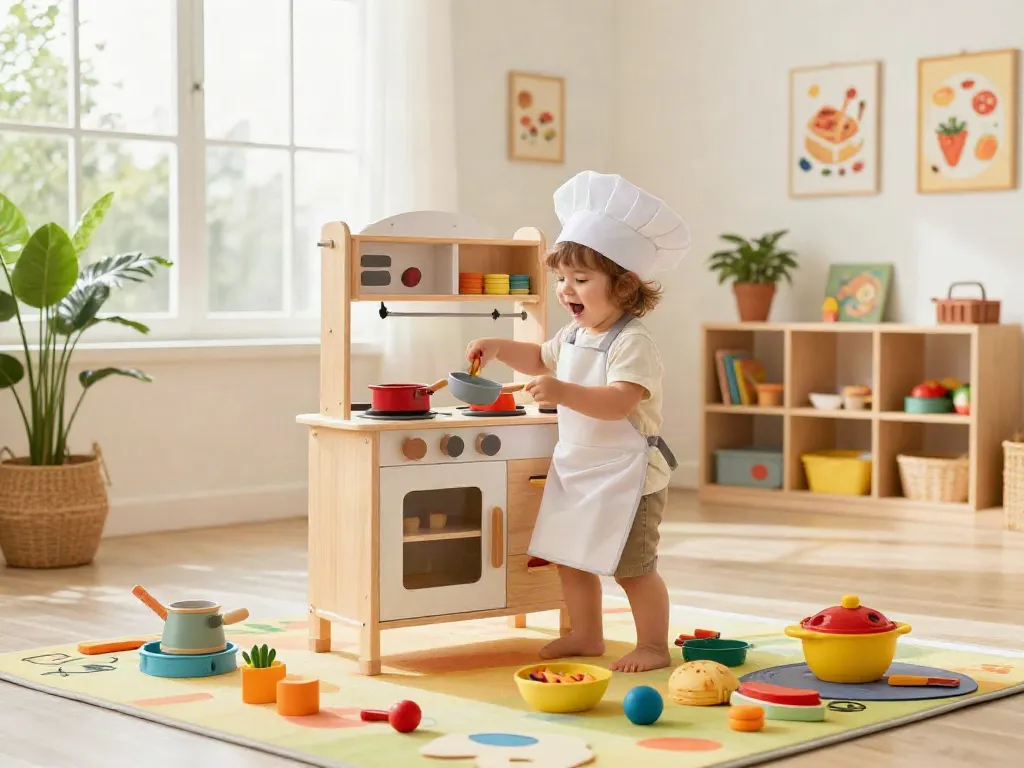
Understanding the Benefits of a Play Kitchen for Child Development
Play kitchens offer an imaginative space where children can explore their culinary creativity while developing essential skills. These interactive toys not only entertain but also play a crucial role in enhancing various aspects of child development. As parents seek enriching experiences for their little ones, options such as a play kitchen can fulfil this need by promoting imaginative play and skill acquisition.
How Play Kitchens Enhance Imaginative Play
A play kitchen serves as a vital tool for encouraging imaginative play. Children often mimic adult behaviours, and through play kitchens, they can enact real-life scenarios in a safe and playful environment. This type of role-playing allows them to explore different situations, develop narratives, and express their creativity. By cooking imaginary meals, they learn the fundamentals of planning and problem-solving, thereby enhancing their cognitive capabilities.
The Role of Social Skills in Kitchen Play
Cooking in a pretend kitchen is not just an individual activity; it often involves other children or family members. This arrangement fosters social interaction and teamwork, as children learn to share resources, negotiate roles, and collaborate on their imaginary meals. Such interactions are pivotal for developing communication skills and emotional intelligence, helping children understand the importance of empathy and cooperation.
Developing Fine Motor Skills through Cooking Activities
Manipulating kitchen accessories like toy utensils, pots, and pans can significantly enhance a child’s fine motor skills. Activities such as stirring, pouring, and pretending to chop involve coordination and control that are essential for their physical development. Over time, these skills contribute not only to their play but also to their overall ability to perform everyday tasks, making play kitchens an instrumental part of their growth journey.
Choosing the Right Play Kitchen: Key Considerations
When selecting a play kitchen, it’s crucial to consider factors that will best suit your child's needs and your living space. A myriad of styles and features are available, making it essential to make an informed choice that provides the perfect combination of fun and functionality.
Material Quality: Wooden vs. Plastic Play Kitchens
Play kitchens are typically available in two main materials: wood and plastic. Wooden kitchens often offer a more aesthetically pleasing appearance and can be more durable, making them a long-lasting investment. On the other hand, plastic kitchens are lightweight and often feature bright colours and interactive components, appealing to younger children. Ultimately, the choice between these materials depends on your preference for durability versus vibrant design.
Size and Space: Finding the Perfect Fit for Your Home
Another critical factor in choosing a play kitchen is the size of the kitchen itself and the space available in your home. Measure the area where you plan to set up the kitchen to ensure that it fits comfortably while allowing room for play. Additionally, consider the height of the kitchen; some models are designed for toddlers while others cater to older children, ensuring that your investment is age-appropriate and functional.
Features to Look For: Accessories and Functionalities
Modern play kitchens can come with a variety of features such as ovens, sinks, refrigerators, and even interactive gadgets. When selecting a kitchen, look for added functionalities like sound effects or lights that can enhance the experience. Accessories such as pots, pans, and play food can also enrich the play scenario, providing opportunities for more extensive role-playing.
Creative Play Kitchen Activities for Young Chefs
Once you have the perfect play kitchen, it's time to engage your child in fun and educational activities that make the most of their new toy. Creative play inspires curiosity and can also serve as a platform for learning.
Fun Cooking Games to Engage Children
Incorporating games into kitchen play can drastically enhance your child's experience. Games can include timed cooking challenges or imaginary restaurant scenarios where children must take orders and prepare meals for their 'customers'. These activities not only make playtime enjoyable but also facilitate learning about time management and basic math as they count ingredients or set timers.
Incorporating Real Recipes and Ingredients
To bridge the gap between pretend play and reality, consider introducing simple recipes that children can help prepare in the kitchen. Using real ingredients for small culinary tasks allows them to experience cooking in a hands-on manner. This method not only enriches their cooking role-play but also encourages a love for real food preparation and healthy eating habits.
Making Cooking Lessons Interactive and Educational
Use the play kitchen as a backdrop for educational lessons. Incorporate discussions about nutrition, the importance of various food groups, and even the science behind cooking. Interactive lessons like these help children connect their pretend play with real-world knowledge, making learning fun and relevant.
Maintaining and Upgrading Your Play Kitchen
Proper maintenance of a play kitchen ensures that it remains safe and functional for your child. Additionally, knowing when to upgrade the kitchen can help keep playtime fresh and engaging.
Best Practices for Cleaning and Care
Regular cleaning is essential for play kitchens, especially if they include electronic components. Wipe down surfaces with mild soap and water to remove dirt and grime. For wooden kitchens, avoid soaking the wood and instead use a damp cloth. Keeping the kitchen in good condition not only prolongs its life but also ensures a safe play environment.
When to Upgrade: Signs Your Child Needs a New Kitchen
As children grow, their play needs evolve. If you notice that your child is no longer engaged with their current play kitchen or if it has sustained damage, it might be time to consider an upgrade. Look for kitchens that offer more complexity or features that align with their growing interests.
Incorporating Eco-Friendly Options and Accessories
As sustainability becomes increasingly important, consider opting for eco-friendly play kitchen options that use sustainable materials and practices. Accessories made from recycled materials or organic cotton can also reinforce the importance of being environmentally conscious from a young age.
Future Trends in Play Kitchens: What to Expect by 2026
The landscape of children’s toys is continually evolving, with play kitchens set to experience exciting advancements by 2026. Keeping an eye on trends will help you make informed choices for your child's play experiences.
The Rise of Smart Play Kitchens: Interactive Features
As technology becomes more integrated into everyday life, smart play kitchens could start to emerge, featuring interactive elements like voice recognition or apps that allow children to simulate cooking experiences. Such innovations will enhance engagement, encouraging children to learn through technology.
Eco-Friendly Materials and Sustainable Manufacturing Trends
The demand for environmentally friendly products is on the rise, and play kitchen manufacturers are likely to shift towards sustainable materials and practices. Expect to see more kitchens made with recycled or biodegradable materials, reflecting societal shifts toward eco-friendliness.
Enhancing Educational Play through Technology Integration
Future play kitchens may also integrate educational technology. This can include augmented reality (AR) experiences that teach children about different cuisines or cooking techniques. By making learning interactive, these kitchens will continue to engage children while expanding their knowledge of the culinary world.
What age is appropriate for a play kitchen?
Generally, play kitchens are designed for children aged 2 years and up. However, the specific model and features will determine the best fit for your child’s developmental stage.
How much should I expect to spend on a quality play kitchen?
The price range for play kitchens can vary widely based on materials and features. A good quality kitchen can cost anywhere from £50 to over £200, depending on the brand and complexity.
Are play kitchens worth the investment?
Investing in a play kitchen can offer tremendous value, promoting social skills, imaginative play, and fine motor development. The educational benefits often outweigh the cost, making it a worthwhile purchase.
Which play kitchen brands are the best?
Some of the top brands in the play kitchen market include KidKraft, Step2, and Melissa & Doug. These brands are known for their quality, durability, and innovative designs that cater to children’s needs.
Can play kitchens help with real-life cooking skills?
Yes, play kitchens can serve as an excellent introduction to real-life cooking skills. They instill a foundational understanding of cooking activities and encourage a love for food preparation, making the transition to actual cooking smoother.